Signs You Need a Door Knob Lock Replacement (Not Just a Repair)
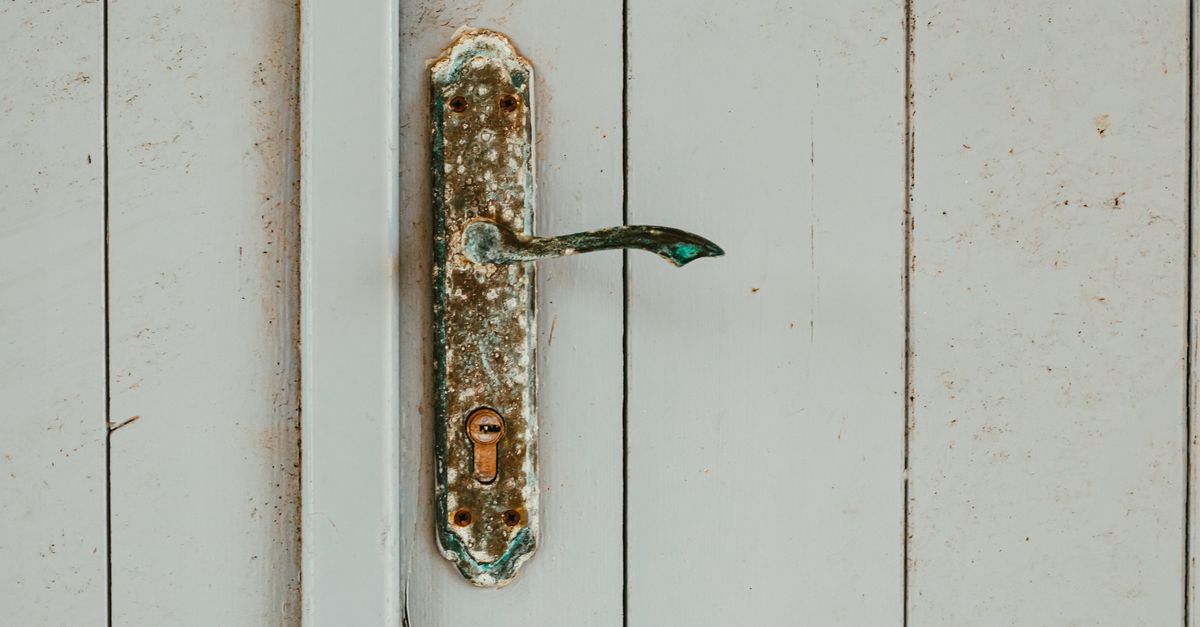
Not every sticky knob calls for full replacement — but several warning signs indicate that a patch-up will only delay the inevitable. If the knob spins without retracting the latch, the internal cam or spindle coupling has likely sheared. If the cylinder wobbles side-to-side, the retaining clip or rose plate has failed and the lock body can be manipulated by hand — a serious vulnerability on any exterior door. Keys that suddenly require heavy force, repeated jiggling, or partial insertion to operate often signal worn wafer or pin stacks inside the cylinder, a problem that tends to worsen quickly in South Texas heat. Corrosion from seasonal humidity, common on older properties along the San Antonio River bottom corridor near Floresville, accelerates metal fatigue inside both keyed and non-keyed knobs alike.
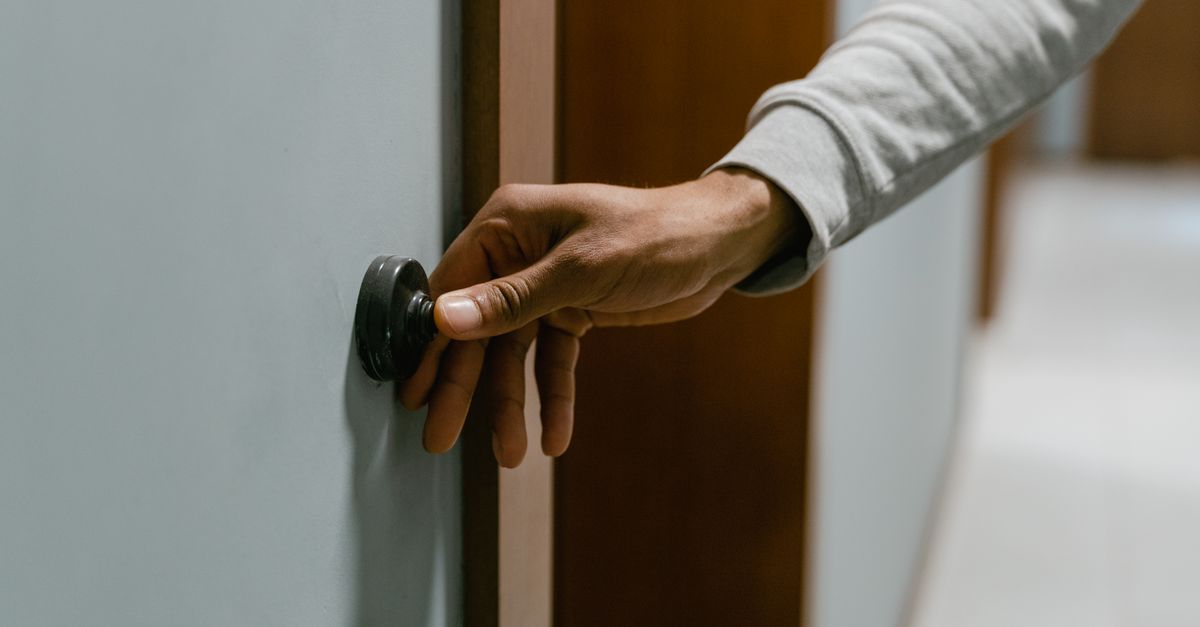
Interior privacy knobs — including the popular door knob with lock for bedroom or bathroom use — fail in their own ways: the emergency release hole on the outside face strips out, the turn-button binds, or the lock button pops back on its own. These are not cosmetic issues. A bedroom that cannot be reliably locked or unlocked from either side is a safety hazard for families with young children or elderly residents. Our technicians evaluate whether a cylinder rekey, a spindle swap, or a full door knob lock replacement is the most cost-effective path forward, and we explain the difference in plain language before proceeding.